Knowing what not to say to someone sick is just as important as knowing how to comfort them. When a friend, family member, coworker, or loved one is unwell, you may want to make them feel better, but the wrong words can sometimes make them feel misunderstood, dismissed, or emotionally overwhelmed. Comments that seem harmless may unintentionally minimize their pain, create pressure to stay positive, or make them feel guilty about their illness. Instead of trying to find a perfect solution, focus on listening, showing empathy, and respecting their feelings. Understanding which phrases to avoid can help you communicate with more kindness and sensitivity during a difficult time. In this article, you will discover 280 examples of what not to say to someone sick, along with guidance on choosing more thoughtful and supportive words.
1. What Not to Say to Someone Sick About Their Illness
When someone is sick, they may already be dealing with physical discomfort, uncertainty, and emotional stress. Comments that minimize their condition or suggest that their illness is insignificant can make them feel as though their experience does not matter. Even if your intention is to reassure them, it is important to acknowledge their feelings rather than compare their situation with someone else’s. Avoid these statements and choose words that communicate understanding, patience, and genuine concern.

- “It cannot be that bad.”
- “You look fine to me.”
- “At least it is nothing serious.”
- “Other people have it much worse.”
- “You are making too big a deal out of this.”
- “I have had worse illnesses than yours.”
- “It is probably all in your head.”
- “You are just being dramatic.”
- “Everyone gets sick sometimes, so why worry?”
- “You should be over this by now.”
- “It is just a little illness.”
- “You do not look sick enough to stay home.”
- “I think you are exaggerating your symptoms.”
- “You are probably worrying for no reason.”
- “It is not worth getting upset about.”
- “You need to stop thinking about being sick.”
- “You are acting like this is the end of the world.”
- “I am sure it is nothing, so forget about it.”
- “You are too young to be this sick.”
- “You are too healthy to have anything serious.”
- “It is probably just a phase.”
- “You are making yourself feel worse by talking about it.”
- “You should not let a little sickness affect your mood.”
- “I do not understand why you are so concerned.”
- “You need to put things into perspective.”
- “You are focusing too much on your symptoms.”
- “It is not a big deal, honestly.”
- “You should be grateful it is not worse.”
- “You are probably feeling worse than you really are.”
- “I think you are worrying unnecessarily.”
- “You will forget all about this soon.”
- “You do not need to take it so seriously.”
- “I am sure you are fine, even if you do not feel fine.”
- “Why are you still talking about your illness?”
- “You should just ignore it and carry on.”
2. What Not to Say to Someone Sick About Staying Positive
Encouragement can be comforting, but telling someone to stay positive all the time may make them feel pressured to hide their genuine emotions. Illness can bring fear, frustration, sadness, exhaustion, and uncertainty, and these feelings deserve understanding rather than criticism. Avoid statements that suggest a person’s attitude determines whether they recover or that difficult emotions are somehow wrong. Instead, allow them to express themselves honestly and remind them that they do not have to pretend to be happy around you.
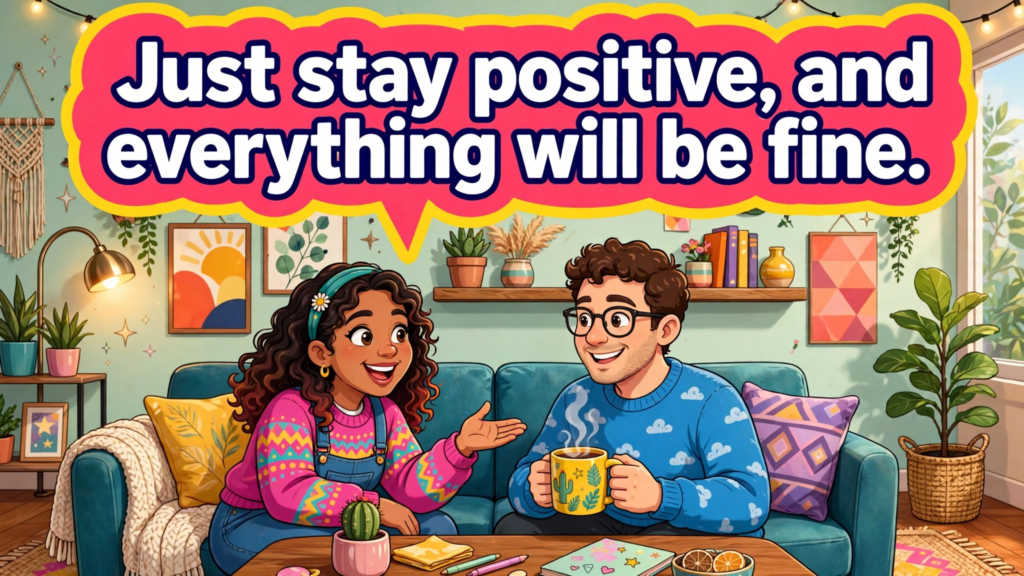
- “Just stay positive, and everything will be fine.”
- “You need to smile more.”
- “Negative thoughts are making you sick.”
- “You should not feel sad about this.”
- “Everything happens for a reason.”
- “You need to think happy thoughts instead.”
- “Other people recover because they have a better attitude.”
- “You are attracting negativity by worrying.”
- “Stop crying and look on the bright side.”
- “You should be grateful instead of upset.”
- “There is no reason to feel discouraged.”
- “You need to be strong every second.”
- “Do not let yourself feel afraid.”
- “If you believe enough, nothing bad will happen.”
- “You should never lose hope.”
- “Being upset will only make things worse.”
- “You need to fight harder and stop feeling sorry for yourself.”
- “You are giving in to your illness.”
- “You should focus only on the good things.”
- “There is no room for negative emotions right now.”
- “You are too emotional about this.”
- “You need to stop worrying and start smiling.”
- “A positive attitude is all you need.”
- “You are choosing to feel miserable.”
- “You should not let yourself have bad days.”
- “You need to be brave for everyone else.”
- “Your family needs you to stay strong, so do not cry.”
- “You are making everyone sad by being negative.”
- “You should be happy that you are still here.”
- “You need to stop thinking about the worst-case scenario.”
- “Everything will definitely work out exactly as you want.”
- “You cannot recover if you keep feeling this way.”
- “Just believe that tomorrow will be better.”
- “You are too focused on what could go wrong.”
- “There is no point in being sad when you should be hopeful.”
3. What Not to Say to Someone Sick About Their Recovery
Recovery can look different for every person, depending on their condition, treatment, and individual circumstances. Asking for updates is understandable, but repeatedly questioning why someone has not recovered can make them feel responsible for something outside their control. Avoid setting deadlines for recovery, comparing their progress with other people’s experiences, or promising that they will be better by a particular date. Offer patience and recognize that healing may take time, sometimes with setbacks along the way.

- “Why are you not better yet?”
- “You should have recovered by now.”
- “My friend had the same thing and recovered in three days.”
- “You must be doing something wrong.”
- “You would feel better if you tried harder.”
- “Why is your recovery taking so long?”
- “You should be back to normal by next week.”
- “You look the same as you did last month.”
- “I thought you would be better by now.”
- “You are taking too long to heal.”
- “Maybe your treatment is not working because you are impatient.”
- “You should stop resting and get moving.”
- “You will recover faster if you push yourself.”
- “You should not need this much time off.”
- “Why do you still need help with everyday things?”
- “You should be able to do everything you did before.”
- “You cannot keep blaming your illness for everything.”
- “My recovery was much quicker than yours.”
- “You must not be following your doctor’s advice properly.”
- “You should be completely fine by the time I see you again.”
- “Why are you still feeling tired?”
- “You should be over the difficult part already.”
- “You are not making enough progress.”
- “You need to stop acting like recovery is so difficult.”
- “You should recover naturally without needing so much help.”
- “You will never get better if you keep taking it easy.”
- “You should be able to return to work immediately.”
- “I do not see why you need more rest.”
- “You need to recover on a schedule.”
- “You cannot keep cancelling plans because you are unwell.”
- “You should be back to your old self by now.”
- “Your recovery is taking longer than I expected.”
- “You need to get back to normal for everyone else’s sake.”
- “Why are you still talking about your symptoms?”
- “I will believe you are better when you start acting normal.”
4. What Not to Say to Someone Sick About Their Appearance or Symptoms
Illness can affect a person’s appearance, energy, mobility, and daily routine. Pointing out these changes without being asked may make them feel embarrassed, self-conscious, or uncomfortable. Even comments intended as compliments can be hurtful when they suggest that someone looks better or worse than expected. Avoid making assumptions about how a person feels based on their appearance, and let them decide whether they want to discuss their symptoms or physical changes.
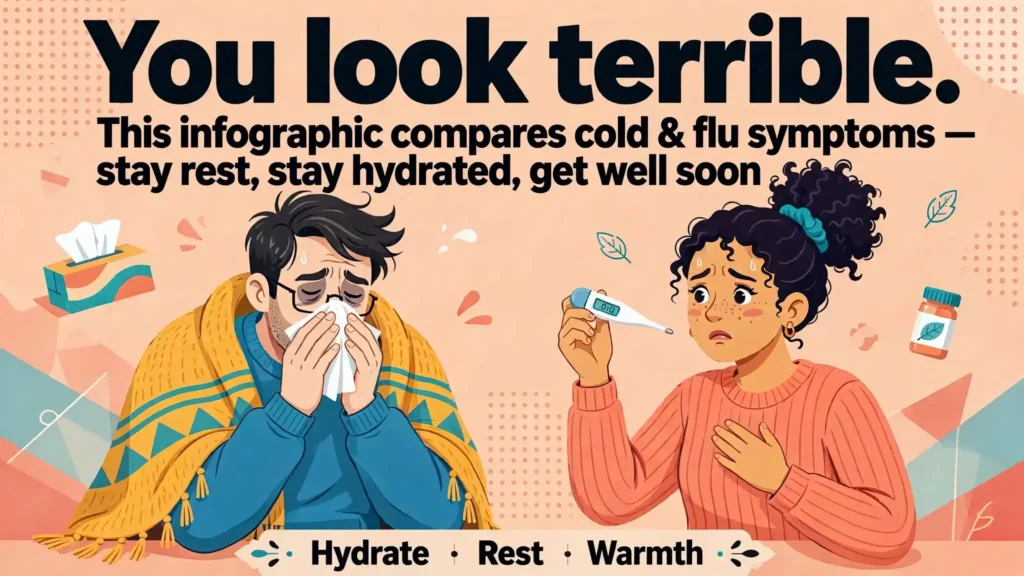
- “You look terrible.”
- “Wow, you look really sick.”
- “You have lost so much weight.”
- “You have gained weight since you became ill.”
- “You look much older than before.”
- “You look exhausted all the time.”
- “Your skin looks awful.”
- “You look pale and unhealthy.”
- “You do not look like yourself anymore.”
- “Your hair looks different. Is that because you are sick?”
- “You look worse than the last time I saw you.”
- “You look too healthy to be ill.”
- “You do not seem sick enough to me.”
- “Why are you walking so slowly?”
- “Why are you moving like that?”
- “You look weak.”
- “You sound awful.”
- “Your voice sounds strange now.”
- “You look like you have not taken care of yourself.”
- “Why are you always so tired-looking?”
- “You should try harder to look presentable.”
- “You do not look as attractive as you used to.”
- “Are you sure you are actually in pain?”
- “You do not seem uncomfortable to me.”
- “You are making that symptom sound worse than it is.”
- “Why do you keep making that face?”
- “You look like you have aged ten years.”
- “You should do something about your appearance.”
- “You look much worse without your usual energy.”
- “Your illness has really changed how you look.”
- “You are too young to look this exhausted.”
- “You look fine, so you must feel fine.”
- “Why are you so sensitive about your appearance?”
- “You should not let yourself look so unwell.”
- “I can tell you are sick just by looking at you.”
5. What Not to Say to Someone Sick About Treatment and Medical Advice
When someone is sick, it can be tempting to recommend remedies, share personal experiences, or suggest alternative treatments. However, unsolicited medical advice can create confusion, undermine trust in healthcare professionals, or make the person feel blamed for their condition. What works for one person may not be suitable for another, and treatment decisions should be made with qualified healthcare professionals. Unless someone asks for your suggestions, focus on listening and supporting their choices rather than telling them what they should do.
- “You should stop taking your prescribed medication.”
- “Doctors never know what they are doing.”
- “You do not need professional medical advice.”
- “My home remedy will definitely cure you.”
- “You should try this supplement instead of your treatment.”
- “You are taking too many medicines.”
- “I would never choose the treatment you are getting.”
- “You should ignore what your doctor told you.”
- “You can cure this with a special diet alone.”
- “You should stop worrying about medical tests.”
- “You do not need a second opinion because I know what is best.”
- “I read something online, so I know what you should do.”
- “You should try every treatment you hear about.”
- “You must not be following the correct diet.”
- “You should stop going to the hospital so often.”
- “Doctors only want your money.”
- “You should take the medicine I use.”
- “You are making yourself worse by trusting your doctor.”
- “You do not need treatment if you have faith.”
- “This natural remedy works for absolutely everyone.”
- “You should not tell your doctor about that symptom.”
- “You should double your medication to get better faster.”
- “You should stop your treatment because it sounds unpleasant.”
- “I know someone who cured this without medical help, so you can too.”
- “You should never question my advice.”
- “You are wasting time by following your current treatment plan.”
- “You need to change your entire lifestyle immediately.”
- “You should avoid all medical procedures.”
- “You should try this treatment before listening to your specialist.”
- “You probably became sick because you eat the wrong foods.”
- “You would not be sick if you had taken better care of yourself.”
- “You should follow my diet instead of your doctor’s recommendations.”
- “You are worrying too much about possible side effects.”
- “You do not need to tell anyone about your medication.”
- “If you really wanted to get better, you would try my advice.”
6. What Not to Say to Someone Sick About Their Feelings
People who are unwell may experience a wide range of emotions, including sadness, anger, loneliness, fear, and frustration. Dismissing these feelings can make them less likely to open up or ask for support when they need it. Avoid telling someone that they are too emotional, that their feelings are inconvenient, or that they should hide their distress to protect other people. A compassionate response makes room for their emotions without judging them or immediately trying to solve every problem.
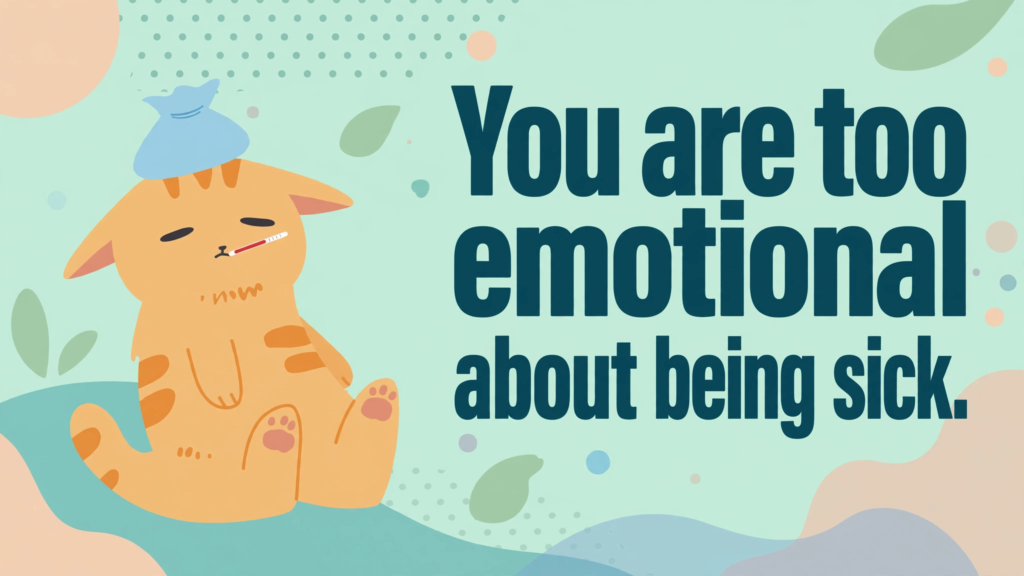
- “You are too emotional about being sick.”
- “Why are you crying over this?”
- “You need to stop feeling sorry for yourself.”
- “You are making everyone uncomfortable by talking about your feelings.”
- “You should keep your worries to yourself.”
- “You are being selfish by focusing on your illness.”
- “Other people have problems too, you know.”
- “You need to stop complaining.”
- “I am tired of hearing about how you feel.”
- “You should not be angry about something you cannot control.”
- “You are making yourself difficult to be around.”
- “You need to hide your sadness from your children.”
- “You are upsetting everyone by being honest about your fears.”
- “Why cannot you just accept what is happening?”
- “You are too sensitive for your own good.”
- “You should not feel lonely when people are around you.”
- “You need to stop asking for reassurance.”
- “You are exhausting everyone with your emotions.”
- “You should be more grateful for the support you receive.”
- “You have no reason to feel anxious.”
- “You should not be afraid of what might happen.”
- “You are choosing to be unhappy.”
- “You need to get your emotions under control.”
- “You should be embarrassed about crying in front of people.”
- “You are worrying about things that do not matter.”
- “You should stop talking about your fears.”
- “You are making the situation harder by being upset.”
- “You need to think about how your illness affects everyone else.”
- “You should not need so much emotional support.”
- “Why cannot you be more like someone who handles illness calmly?”
- “You are overreacting to a normal situation.”
- “You should not let your feelings get in the way.”
- “You need to be less negative around your family.”
- “You are making people feel guilty for not helping enough.”
- “You should deal with your emotions on your own.”
7. What Not to Say to Someone Sick About Comparisons and Personal Experiences
Sharing personal experiences can sometimes help someone feel understood, but comparisons can also shift attention away from what they are going through. Every illness, recovery, and personal circumstance is different, even when two people have similar diagnoses. Avoid using someone else’s experience to predict what will happen or suggesting that the person should feel differently because another individual handled illness in a particular way.
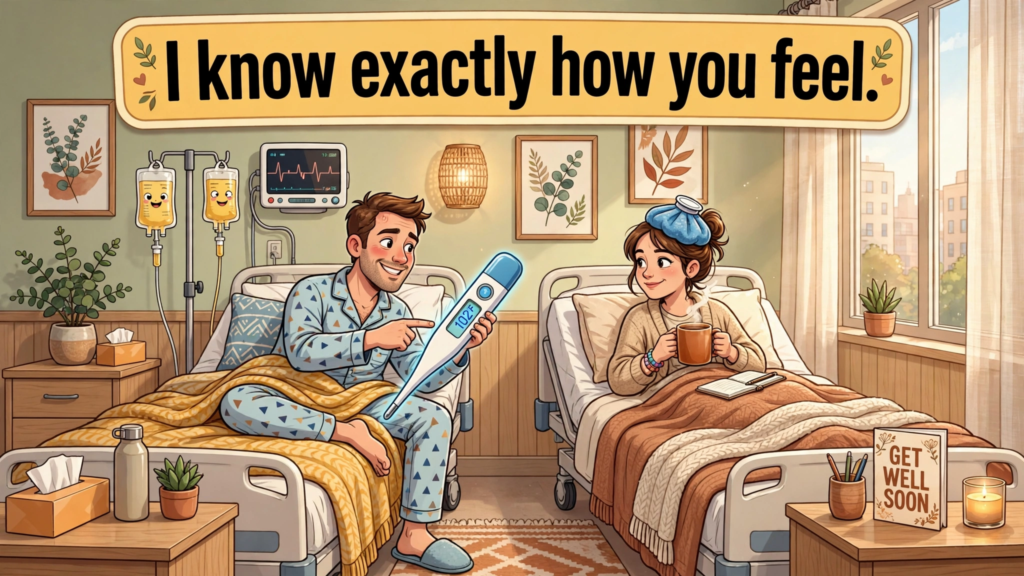
- “I know exactly how you feel.”
- “My illness was worse than yours.”
- “You should be grateful you do not have what I had.”
- “My cousin had the same condition and was fine.”
- “Someone I know had this and never complained.”
- “I recovered quickly, so you should too.”
- “My problems were much harder to deal with.”
- “You have no idea how lucky you are compared with other people.”
- “At least you are not as sick as my friend was.”
- “I know someone who never recovered from this.”
- “You should compare your situation with people who have it worse.”
- “My treatment was harder, and I handled it better.”
- “You are not the only person who has ever been sick.”
- “Everyone in my family has dealt with worse things.”
- “My friend went through this without needing help.”
- “I know someone who had your symptoms and it was nothing.”
- “You should learn from how I handled my illness.”
- “I never let being sick stop me, so neither should you.”
- “My doctor said something different, so your doctor must be wrong.”
- “You should not feel that way because I did not feel that way.”
- “Other people with your condition seem happier than you.”
- “My recovery proves that you just need to work harder.”
- “You are having a much easier time than some people.”
- “I know what is going to happen because I have seen this before.”
- “You should listen to my story instead of worrying about yours.”
- “Someone else I know was much braver than you.”
- “I never needed this much support when I was ill.”
- “You should be handling this the way my relative did.”
- “I know someone who had the same symptoms and never saw a doctor.”
- “Your illness reminds me of a terrible story I once heard.”
- “My experience is the best guide for your recovery.”
- “You should not be upset because I went through something similar.”
- “People recover from this all the time, so stop worrying.”
- “You are not handling this as well as other people.”
- “I have heard so many illness stories that yours does not surprise me.”
8. What Not to Say to Someone Sick to Avoid Making Them Feel Guilty or Alone
A person who is sick may already worry about missing work, cancelling plans, needing assistance, or affecting their family. Comments that make them feel guilty for being unwell can add unnecessary emotional pressure to an already difficult situation. Avoid suggesting that they are a burden, demanding constant updates, or making their illness about your inconvenience. Instead, respect their boundaries, offer practical support, and let them know that their well-being matters more than meeting other people’s expectations.
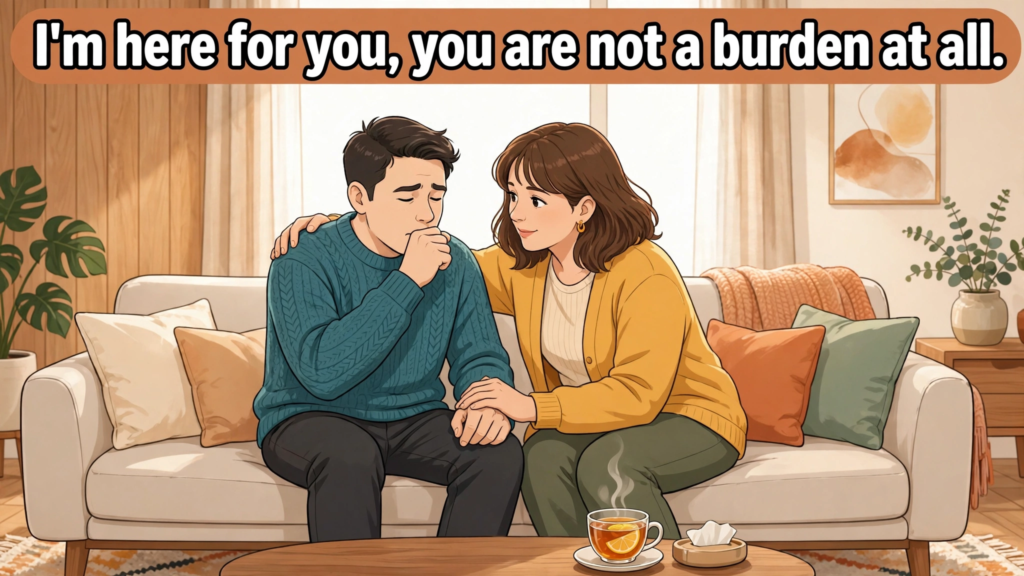
- “You are such a burden right now.”
- “Your illness is ruining all our plans.”
- “You always get sick at the worst possible time.”
- “I cannot keep helping you like this.”
- “You are making life difficult for everyone.”
- “You need to stop depending on other people.”
- “You should feel guilty for missing work.”
- “You are letting everyone down by being sick.”
- “Why did you have to get sick now?”
- “You are causing too much inconvenience.”
- “You need to get better because we have things to do.”
- “I do not have time to keep checking on you.”
- “You should be able to take care of yourself by now.”
- “You are asking for too much attention.”
- “You need to stop cancelling plans because of your health.”
- “Your illness is becoming a problem for the whole family.”
- “You should feel bad about making people worry.”
- “You are not trying hard enough to get back to normal.”
- “I cannot keep putting my life on hold for you.”
- “You need to stop making everything about your health.”
- “You should not need help with such simple things.”
- “You are making me feel guilty by being upset.”
- “You should be more considerate of everyone else’s schedule.”
- “You need to reply to my messages even when you are resting.”
- “Why have you not updated everyone about your condition?”
- “You are being unfair by not accepting my advice.”
- “You should be grateful that I am helping you.”
- “I have done enough for you, so you should be better now.”
- “You are making people uncomfortable by talking about your illness.”
- “You should not need so much time to yourself.”
- “You are letting your illness define your whole life.”
- “You need to stop asking people to accommodate you.”
- “You should hide your symptoms so people do not worry.”
- “You are not thinking enough about how this affects me.”
- “I cannot believe you are still struggling with this.”
Conclusion
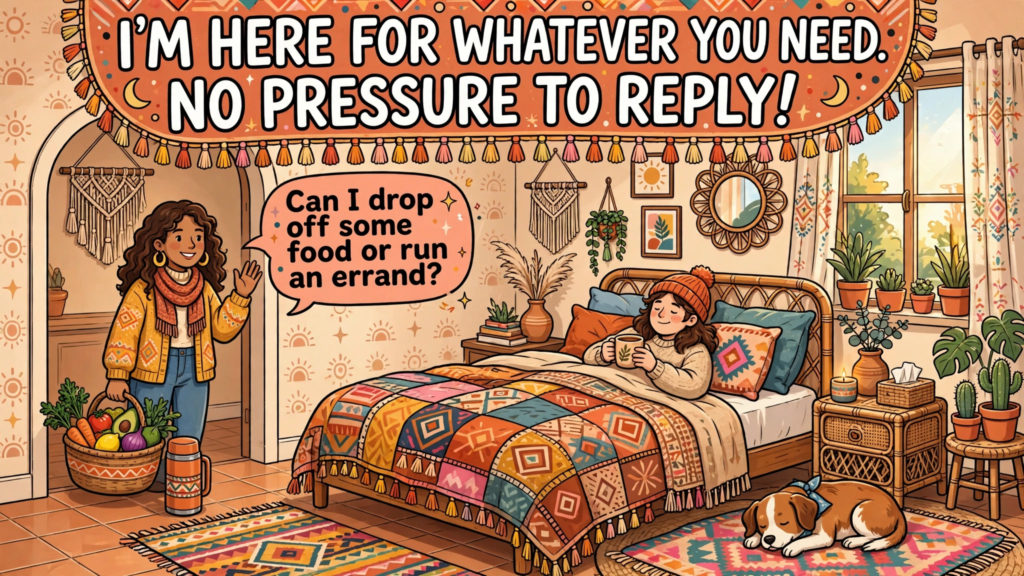
Knowing what not to say to someone sick can help you become a more thoughtful and supportive friend, family member, or coworker. Comments that minimize their symptoms, compare their experiences, pressure them to stay positive, or make them feel guilty can unintentionally cause additional distress. Instead of offering unsolicited advice or promising that everything will be fine, listen carefully and acknowledge that their experience may be difficult. Simple phrases such as “I am sorry you are going through this,” “I am here if you need me,” and “How can I support you today?” can communicate genuine care. Remember that you do not need to fix someone’s illness to make a meaningful difference in their life.